Physical education is often the most misinterpreted subject in schools—viewed sometimes merely as a break from academics rather than as a critical component for lifelong health. The recent study, “The Secondary School Curriculum: Teachers’ and Students’ Perspectives” by Banville, Marttinen, and Rodrigues, offers an insightful look into how both educators and students experience PE. By shedding light on their contrasting priorities and shared challenges, the study calls for a balanced, engaging, and meaningful curriculum.
Using the Right Tools at the Right Time: A Conversation with Dr. Taemin Ha
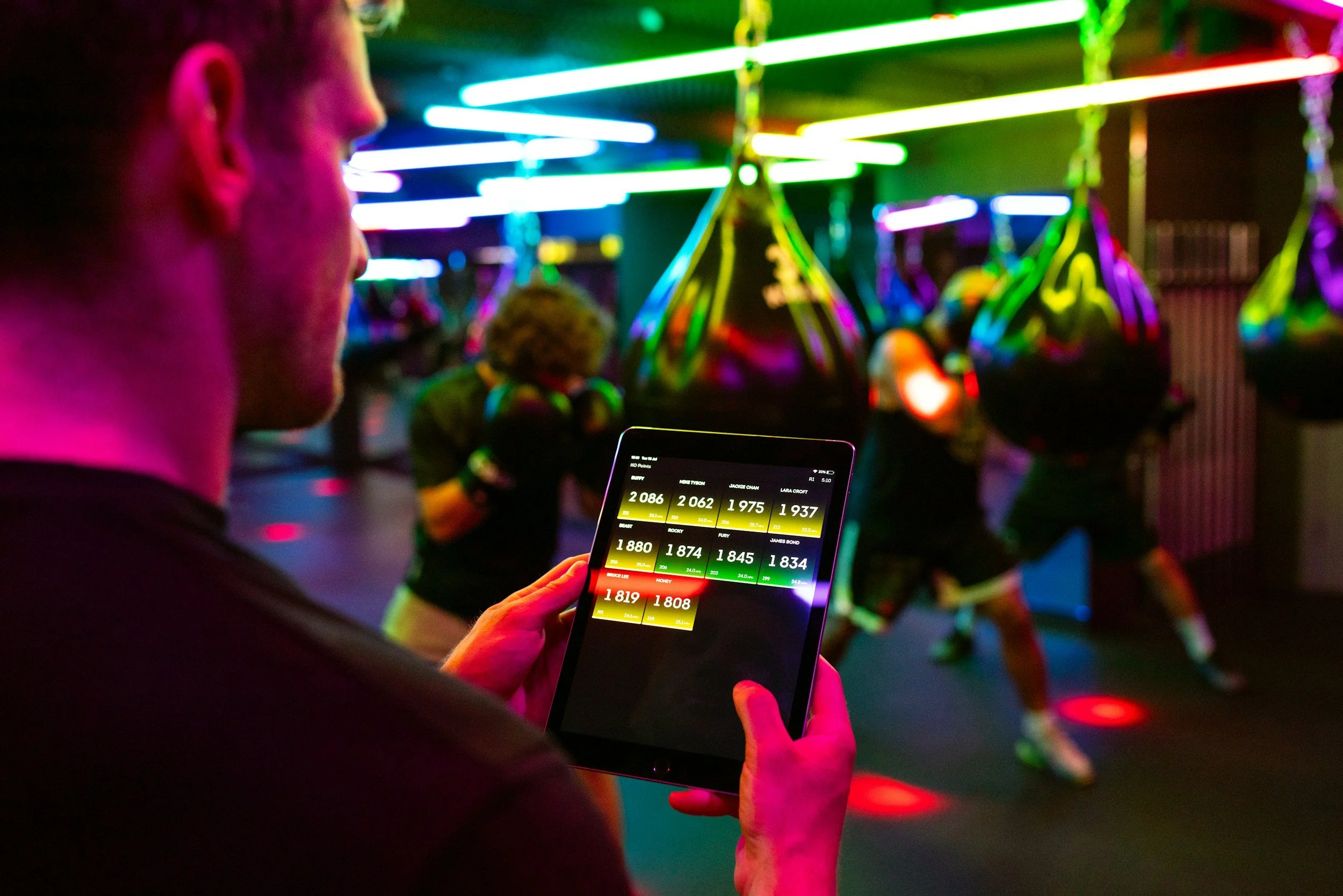
What happens when a Taekwondo practitioner studies physical education pedagogy and educational technology, and then starts asking questions about how digital tools can transform school-based physical activity? You get one of the most productive early-career research agendas in physical education today.
In a recent episode of the podcast, I sat down with Dr. Taemin Ha, assistant professor at Queens College, City University of New York, to talk through his research on technology integration in physical education and school-wide physical activity. Dr. Ha is being honored this summer as an AIESEP Early Career Scholar in Taipei — a well-deserved recognition for someone who has been publishing at a remarkable pace.
Unlocking Educational Potential: How Physical Education Teachers Can Thoughtfully Benefit From Using ChatGPT for Planning, Instruction, and Assessment
Unlocking the full potential of technology in education is a topic that continues to inspire educators today. In the recent article, Unlocking Educational Potential: How Physical Education Teachers Can Thoughtfully Benefit From Using ChatGPT for Planning, Instruction, and Assessment by Albaloul, Marttinen, and Killian (2024), the authors explore how generative artificial intelligence (AI) tools like ChatGPT can enhance teaching practices in physical education (PE). This blog post delves into the key takeaways, highlights the main results, and reflects on the discussion points raised in the article.
Before- and After-School Physical Activity Programs: A Recipe for Success
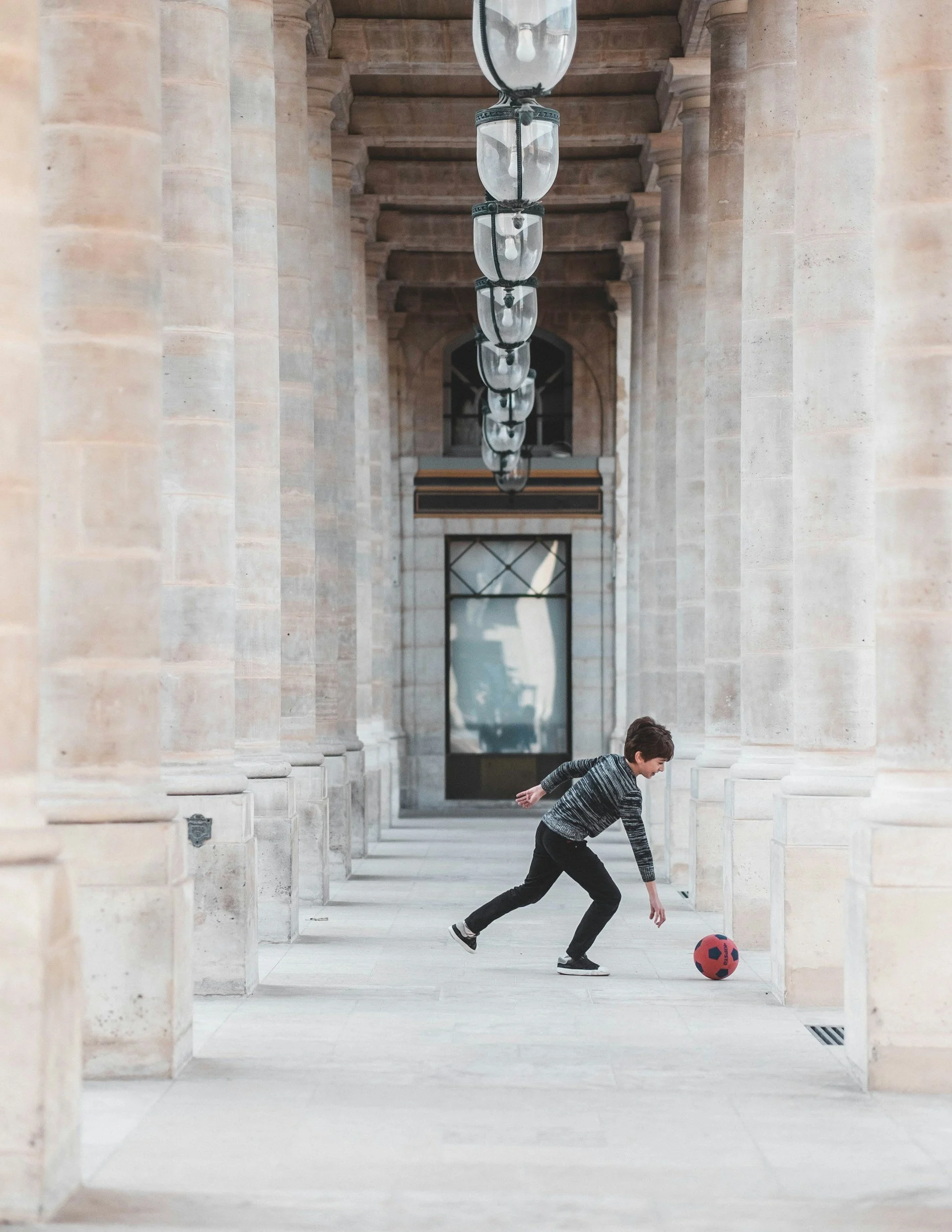
In today’s fast-paced educational environment, finding ways to boost students’ physical activity is more critical than ever. According to the research article “Before- and After-School Physical Activity: Programs and Best Practices” by Dauenhauer et al. (2022) from the Journal of Physical Education, Recreation & Dance, schools can play a transformative role by extending physical activity (PA) opportunities beyond the classroom. The study delves into the benefits and variety of programs available during the before- and after-school hours, offering educators a comprehensive roadmap for developing effective PA initiatives.
What LGBTQ+ Youth Are Telling Us About PE — And Why We Need to Listen

Most research on barriers to physical activity for LGBTQ+ youth has relied on adult recollections or teacher perceptions — filtered, retrospective, and often incomplete. A new mixed-methods study published in Sport Education and Society takes a different approach: it goes directly to the source, asking LGBTQ+ youth people themselves what stands in the way of their participation in physical activity, sport, and PE.
Are You Actually Using Critical Friends — or Just Naming Them?
If you have conducted or read self-study of teacher education practice (S-STEP) research, there is a good chance you have encountered critical friends in the methods section. There is also a good chance that section was brief — maybe a sentence or two — without much explanation of who that person was, what they actually did, or how their involvement shaped the research. A new systematic review published in Quest (March 2026) by Dr. Yongjin Lee, Dr. Youngjoon Kim, and colleagues takes a close, evidence-based look at exactly this problem.
Exploring Youth Fitness: Comparing Croatian and Lithuanian Students

Physical fitness among youth is a critical marker of long-term health, influencing everything from academic performance to future risk of chronic disease. A study by Novak, Podnar, Emeljanovas, and Marttinen (2015) provides a valuable cross-national comparison of fitness levels in children aged 11–14 from Croatia and Lithuania. This research sheds light on how anthropological and motor characteristics differ by country, gender, and age—ultimately emphasizing the importance of physical education and lifestyle factors.
"Let Us Wear Our Own Goddamn Clothes": What School Uniforms Tell Us About PE Participation
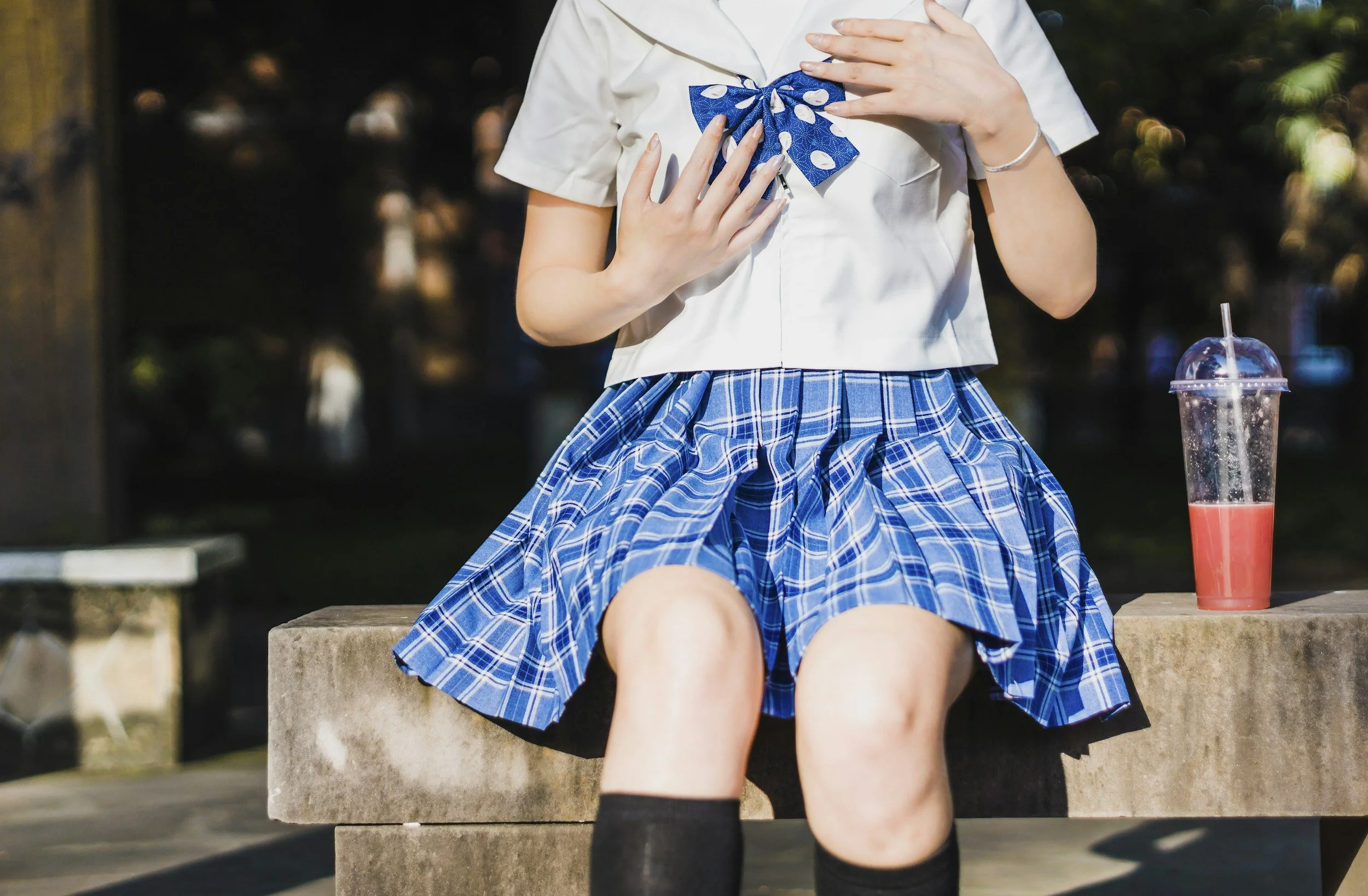
There's a paper making the rounds in HPE circles with a title that stops you mid-scroll: "Let Us Wear Our Own Goddamn Clothes." It's not clickbait — those are the words of a real secondary school student, captured in qualitative data, expressing a frustration that turns out to be far more widespread than many practitioners may have assumed.
Bridging the Gap: Integration and Physical Education in Schools
In the current educational landscape dominated by standardized testing and core academic performance, physical education (PE) often takes a backseat. However, growing research underscores the value of physical activity not only for health but also for academic success. The review article “Integration and Physical Education: A Review of Research” by Marttinen et al. (2017) takes a deep dive into the integration of physical activity into academic instruction and the embedding of core content into physical education settings.
Why Writing a Book Review Might Be One of the Smartest Scholarly Moves You Make This Year
In health and physical education (HPE), we are deeply socialized into valuing peer-reviewed journal articles as the primary currency of scholarship. Dissertations become three publishable papers. Promotion and tenure files are stacked with empirical studies. Grants and impact factors dominate conversations.
But what about books?