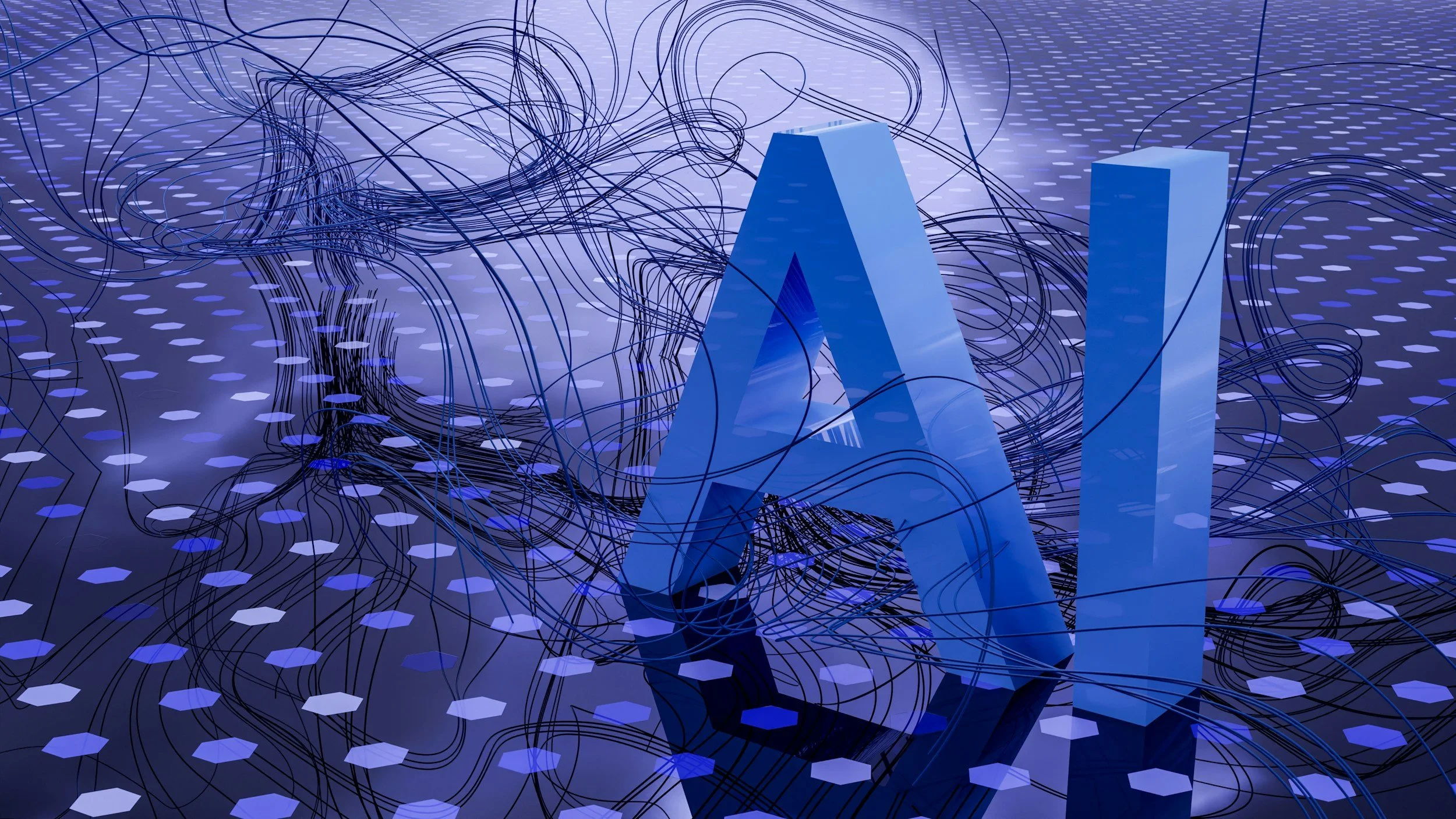
Unlocking the full potential of technology in education is a topic that continues to inspire educators today. In the recent article, Unlocking Educational Potential: How Physical Education Teachers Can Thoughtfully Benefit From Using ChatGPT for Planning, Instruction, and Assessment by Albaloul, Marttinen, and Killian (2024), the authors explore how generative artificial intelligence (AI) tools like ChatGPT can enhance teaching practices in physical education (PE). This blog post delves into the key takeaways, highlights the main results, and reflects on the discussion points raised in the article.
Embracing New Digital Tools in Physical Education
The article begins by outlining the emergence of AI-powered natural language processors, particularly ChatGPT, which has garnered attention for its potential applications in various educational contexts. ChatGPT’s ability to generate human-like text and produce content based on extensive online data has paved the way for innovative instructional strategies. For PE teachers, who often contend with heavy workloads and time constraints, the promise of ChatGPT lies in its potential to streamline tasks such as curriculum planning, lesson development, and assessment creation. The authors suggest that, with thoughtful integration, these tools can provide valuable support without replacing the critical role of educators.
Key Takeaways for Physical Education Teachers
Enhanced Lesson Planning and Curriculum Development:
One of the primary benefits of ChatGPT highlighted in the article is its ability to assist in developing lesson plans. PE teachers can input specific details regarding class objectives, state standards, or even the physical activity to be addressed and receive a draft lesson plan that can be further customized. For example, teachers can request tailored soccer drills for seventh graders or create skill demonstration outlines that address precise teaching points. This capability not only saves time but also inspires educators with creative ideas and new approaches to traditional activities.Improved Assessment and Feedback:
ChatGPT can be leveraged to generate quizzes, homework assignments, and even behavior modification documents. The article illustrates how teachers can use the AI to develop cognitive quizzes or take-home assignments that complement classroom instruction, thereby reinforcing lesson objectives. The integration of these tools into learning management systems, where quizzes and assignments can be auto-graded, can further ease the burden of administrative tasks, allowing more time for direct student engagement.Support for Diverse Teaching Strategies:
The flexibility of ChatGPT means that it is not limited to text generation alone. According to the study, the tool can also create tables, visual aids, and even music playlists tailored to a specific grade level, enhancing the overall teaching toolkit available to PE teachers. This aligns well with the Technological Pedagogical Content Knowledge (TPACK) framework, which emphasizes the balance between technology use, pedagogy, and content knowledge. By integrating ChatGPT into their practice, teachers can supplement their instructional methods while maintaining their professional autonomy.Role of Detailed and Strategic Prompting:
An important insight from the article is the emphasis on effective prompt design. The quality of ChatGPT’s output is highly dependent on the clarity and specificity of the input. The authors recommend that teachers provide detailed prompts—complete with context, desired format, and follow-up instructions—to ensure that the AI-generated output aligns with their teaching needs. For instance, specifying a role (e.g., “act as a PE teacher”) or providing a sample output format can significantly improve the relevance and precision of the responses.
Reflecting on the Results and Discussion
The discussion section of the article presents a balanced view of the opportunities and limitations inherent in using ChatGPT. While the tool offers substantial support in reducing workload and sparking creative ideas, the authors warn against over-reliance on AI. Critical issues such as bias in training data, the inability to generate genuinely original responses, and the limitations in understanding the nuanced context of a specific classroom are also explored. The article underscores that while ChatGPT is a powerful assistant, it should never replace the essential human connection and professional judgment that teachers bring to the classroom.
Conclusion
In summary, the article makes a compelling case for incorporating ChatGPT into physical education contexts as a supplementary tool designed to enhance teaching, streamline planning, and support assessment. The key takeaways emphasize that effective use of the technology hinges on clear prompt design and an understanding of its limitations. As PE teachers continue to navigate the evolving landscape of digital tools, the thoughtful integration of ChatGPT can lead to more efficient lesson planning, enriched content delivery, and better management of class activities—all while ensuring that technology remains an aide to, rather than a replacement for, skilled teaching.
Full Article:
Albaloul, O., Marttinen, R., & Killian, C. (2024). Unlocking Educational Potential: How Physical Education Teachers Can Thoughtfully Benefit From Using ChatGPT for Planning, Instruction, and Assessment. Journal of Physical Education, Recreation & Dance, 95(7), 32–41. https://doi.org/10.1080/07303084.2024.2378776
This blog post was written with the assistance of AI to support clarity and accessibility. It is intended to help disseminate and discuss research findings with a broader audience. However, for the most accurate and reliable information—including conclusions and practical applications—please refer to the original peer-reviewed publication on which this blog is based. The peer-reviewed article remains the most authoritative source.