
Physical fitness among youth is a critical marker of long-term health, influencing everything from academic performance to future risk of chronic disease. A study by Novak, Podnar, Emeljanovas, and Marttinen (2015) provides a valuable cross-national comparison of fitness levels in children aged 11–14 from Croatia and Lithuania. This research sheds light on how anthropological and motor characteristics differ by country, gender, and age—ultimately emphasizing the importance of physical education and lifestyle factors.

"Let Us Wear Our Own Goddamn Clothes": What School Uniforms Tell Us About PE Participation
There's a paper making the rounds in HPE circles with a title that stops you mid-scroll: "Let Us Wear Our Own Goddamn Clothes." It's not clickbait — those are the words of a real secondary school student, captured in qualitative data, expressing a frustration that turns out to be far more widespread than many practitioners may have assumed.
Bridging the Gap: Integration and Physical Education in Schools
In the current educational landscape dominated by standardized testing and core academic performance, physical education (PE) often takes a backseat. However, growing research underscores the value of physical activity not only for health but also for academic success. The review article “Integration and Physical Education: A Review of Research” by Marttinen et al. (2017) takes a deep dive into the integration of physical activity into academic instruction and the embedding of core content into physical education settings.
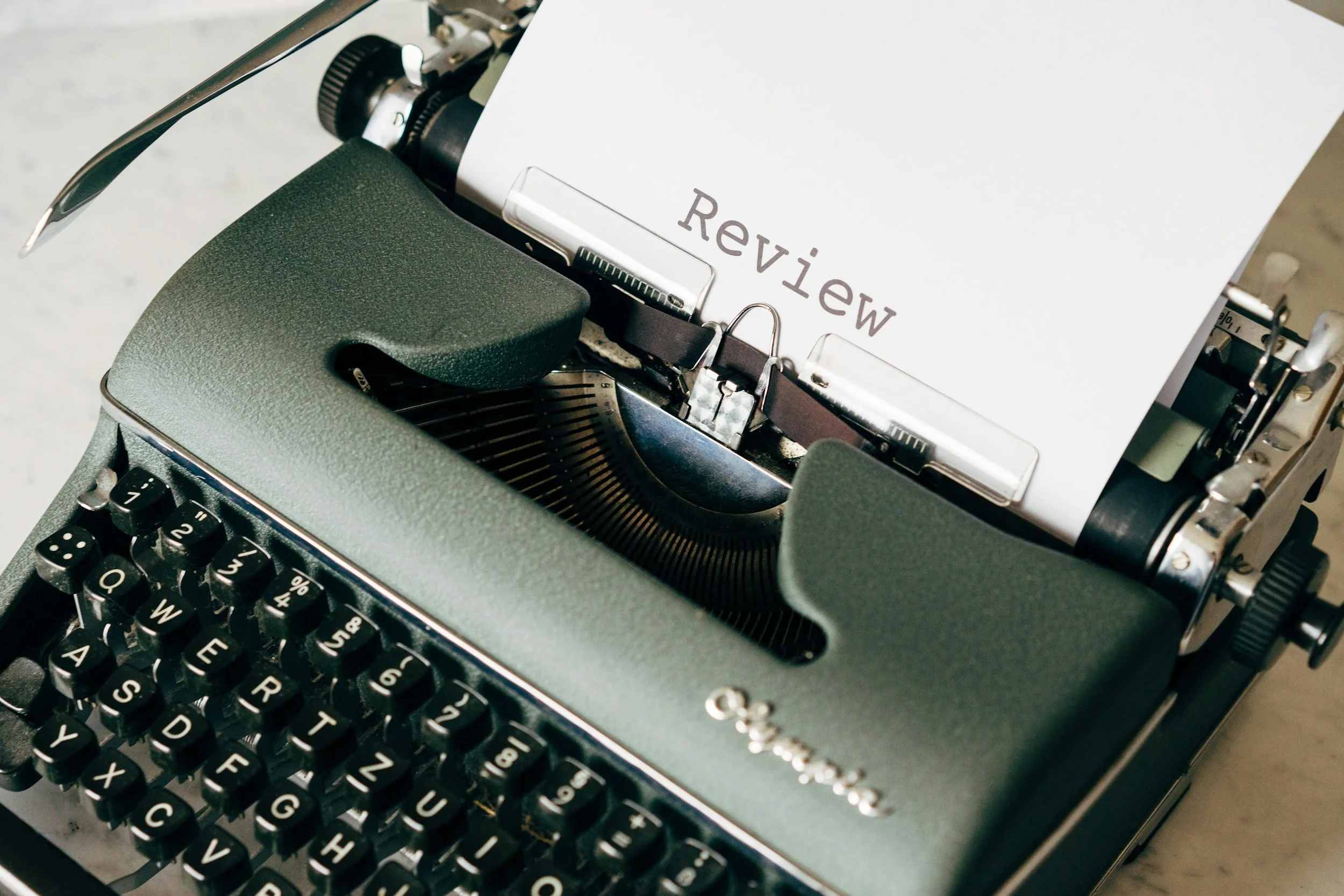
Why Writing a Book Review Might Be One of the Smartest Scholarly Moves You Make This Year
In health and physical education (HPE), we are deeply socialized into valuing peer-reviewed journal articles as the primary currency of scholarship. Dissertations become three publishable papers. Promotion and tenure files are stacked with empirical studies. Grants and impact factors dominate conversations.
But what about books?
Making Fitness Assessment Meaningful and Fun: Recommendations for an Enjoyable Student Experience
Many adults still cringe at the memory of fitness assessments in physical education—especially the dreaded pull-up test done in front of the entire class. Thankfully, contemporary physical education has evolved. The article “Fitness Assessment: Recommendations for an Enjoyable Student Experience” by Sharon R. Phillips, Risto Marttinen, and Kevin Mercier provides a much-needed shift in approach, outlining how fitness assessments can be used not to shame but to educate, motivate, and empower students.
Empowering Young Girls Through an Activist Body-Focused Curriculum
In today’s rapidly changing world, empowering young girls to embrace their bodies and challenge societal norms has never been more vital. A recent study, “Enacting a body-focused curriculum with young girls through an activist approach: Leveraging the after-school space,” offers a compelling blueprint on how after-school programs can serve as transformative spaces for pre-adolescent girls. By utilizing a curriculum built on feminist, student-centered, and activist principles, the research highlights how thoughtful practices can enhance body image, cultivate trust, and empower girls to counter negative media messages.
Interested in Pursuing National Board Certification? This is how to do it
For many educators, professional growth doesn’t end with earning a degree or completing licensure requirements. Increasingly, teachers are turning to the National Board Certified Teacher (NBCT) process as a way to deepen their practice, reflect on their instructional impact, and elevate their careers. In a recent conversation with two Northern Virginia educators—Laurie Brady and Patrick Noel—the true value, challenges, and opportunities of NBCT came into clear focus. Here’s what current teachers should know.
Physical Activity, Screen Time, and Obesity in Latina/o Youth
What Did the Study Do?
Using the 2011 national Youth Risk Behavior Surveillance System (YRBSS) dataset (n = 15,503 highschool students), the authors examined how three behaviours—days of moderatetovigorous physical activity (PA), television viewing, and videogame/computer use—along with gender and Latina/o ethnicity, relate to Body Mass Index (BMI) categories. Logistic regression tested both main effects and whether the PA–weight link differed by ethnicity.
Still Tied Together? Rethinking Academic Service and Professional Associations in Physical Education
For many of us in physical education teacher education and sport pedagogy, professional associations have long been part of our academic identity. We joined early, often as doctoral students or early-career scholars, because “that’s what you do.” You present at the conference. You review abstracts. You sit on committees. You renew your membership—sometimes enthusiastically, sometimes out of habit.
R.E.A.C.H.—Building Skills, Character, and Community After the School Bell Rings
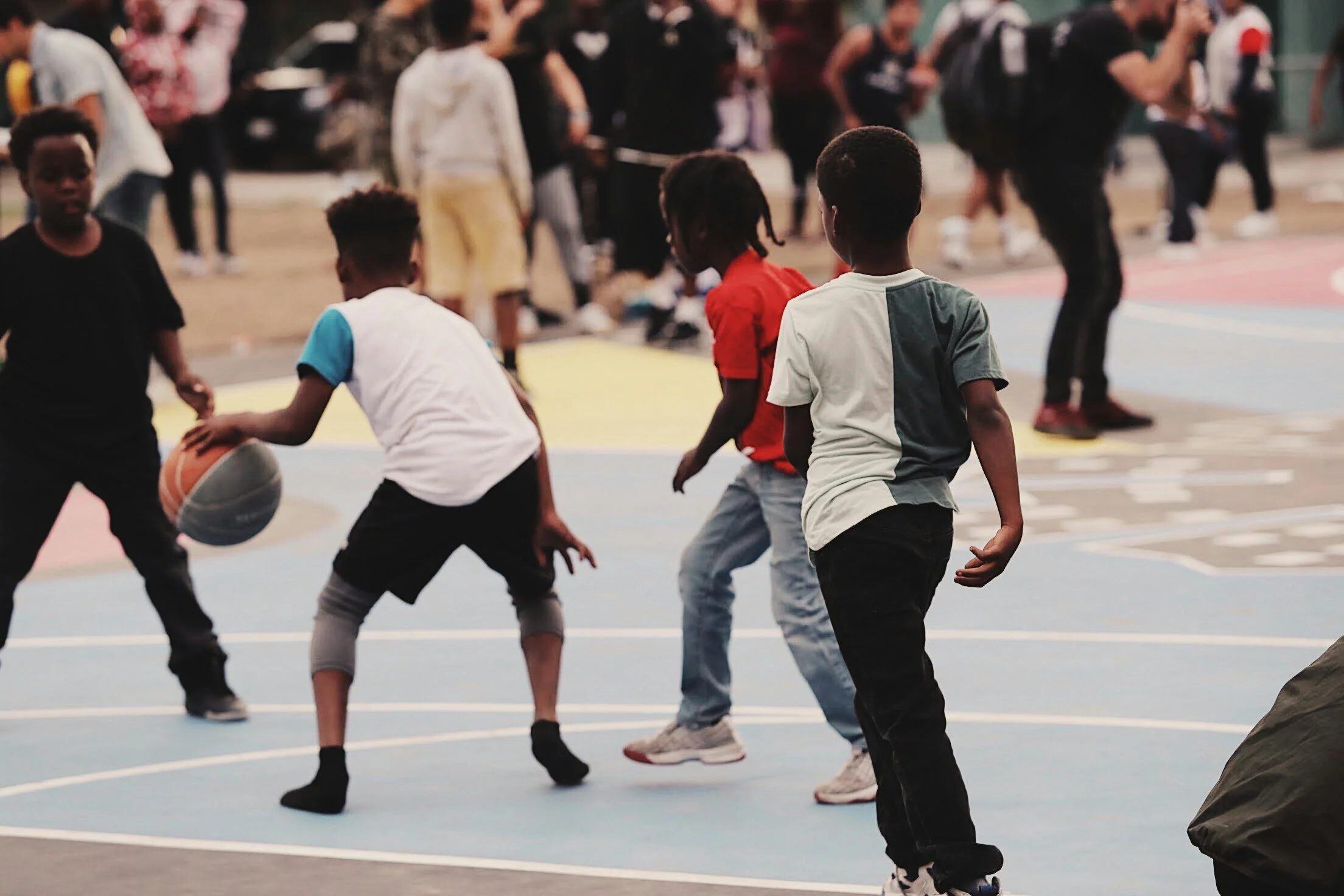
Afterschool hours can be a missed opportunity for many adolescents—especially those in under resourced, urban neighborhoods—to accumulate daily physical activity and positive social experiences. R.E.A.C.H. (Reflective Educational Approach to Character and Health) offers a solution that blends basketball, fitness, literacy, and character education in a single, student-centered program. Below is a concise look at the article’s key findings, its discussion of impact, and major takeaways for practitioners.