In urban schools, novice physical education teachers often face unique challenges that stretch far beyond the gymnasium. However, a recent study titled “Successful Practices of Novice Urban Physical Education Teachers” reveals that amid resource constraints and cultural disparities, intentional strategies and a strong sense of connection can help emerging educators not only survive but thrive. The article, grounded in the cultural relevance cycle framework, sheds light on the experiences of two novice teachers who navigated their early years in urban settings with notable success.
Teaching in a New World: Lessons in Change and Resilience
Navigating the transition from a physical education teacher to a teacher educator in a new country is no small feat. In the article Teaching in a New World: A Novice Teacher Educator’s Pursuit for Change, the authors explore how an international doctoral physical education teacher education (PETE) instructor, Alba, used action research to transform her pedagogical practices during a single semester of teaching. The study not only unveils Alba’s journey of adaptation and professional growth, but it also highlights the challenges she faced, the methods she employed to overcome them, and the pivotal role that reflection and support play in fostering lasting change.
Empowering Young Girls Through Co-Created Curriculum: A Closer Look at the GIRL Initiative
The GIRL curriculum—“Gaining Insight through Reflective Learning”—represents an innovative approach to tackling longstanding issues around body image among young girls. Developed as an after-school program extension to the REACH initiative, this curriculum provides a structured yet adaptable platform for participants to critically explore media influences, societal norms, and personal perceptions surrounding body image. The comprehensive nature of the program, underscored by the principles of co-creation and reflective learning, offers rich insights into transforming negative body image narratives into opportunities for empowerment.
Building a Community in Crisis
When the COVID-19 pandemic forced traditional teaching methods to come to an abrupt halt, educators—especially those in Physical Education Teacher Education (PETE)—found themselves struggling to adapt. The PETE Collaborative emerged in April 2020 as a grassroots initiative to address these challenges. Conceived as a response to both the rapid transition to online education and the profound sense of isolation experienced by faculty members, the Collaborative provided an urgent virtual space for dialogue, idea sharing, and mutual support. While the initial motivation was clear—help colleagues cope with the uncertainties of remote instruction—the initiative quickly evolved into something far more transformative.
Rethinking the “Impossible Subject” in HPE Policy: A Critical Examination
The recent article, The problematization of the (im)possible subject: an analysis of Health and Physical Education policy from Australia, USA and Wales, invites readers to engage in a deeper dialogue about the ways in which HPE policies construct the very subjects they purport to support. In this comparative study, the authors employ Bacchi’s “What’s the Problem Represented to be?” (WPR) approach to interrogate policy documents from Australia, the USA, and Wales, urging educators and policymakers alike to question the assumptions behind current curricular practices.
Reimagining Physical Education: Perspectives from Teachers and Students
Physical education is often the most misinterpreted subject in schools—viewed sometimes merely as a break from academics rather than as a critical component for lifelong health. The recent study, “The Secondary School Curriculum: Teachers’ and Students’ Perspectives” by Banville, Marttinen, and Rodrigues, offers an insightful look into how both educators and students experience PE. By shedding light on their contrasting priorities and shared challenges, the study calls for a balanced, engaging, and meaningful curriculum.
Using the Right Tools at the Right Time: A Conversation with Dr. Taemin Ha
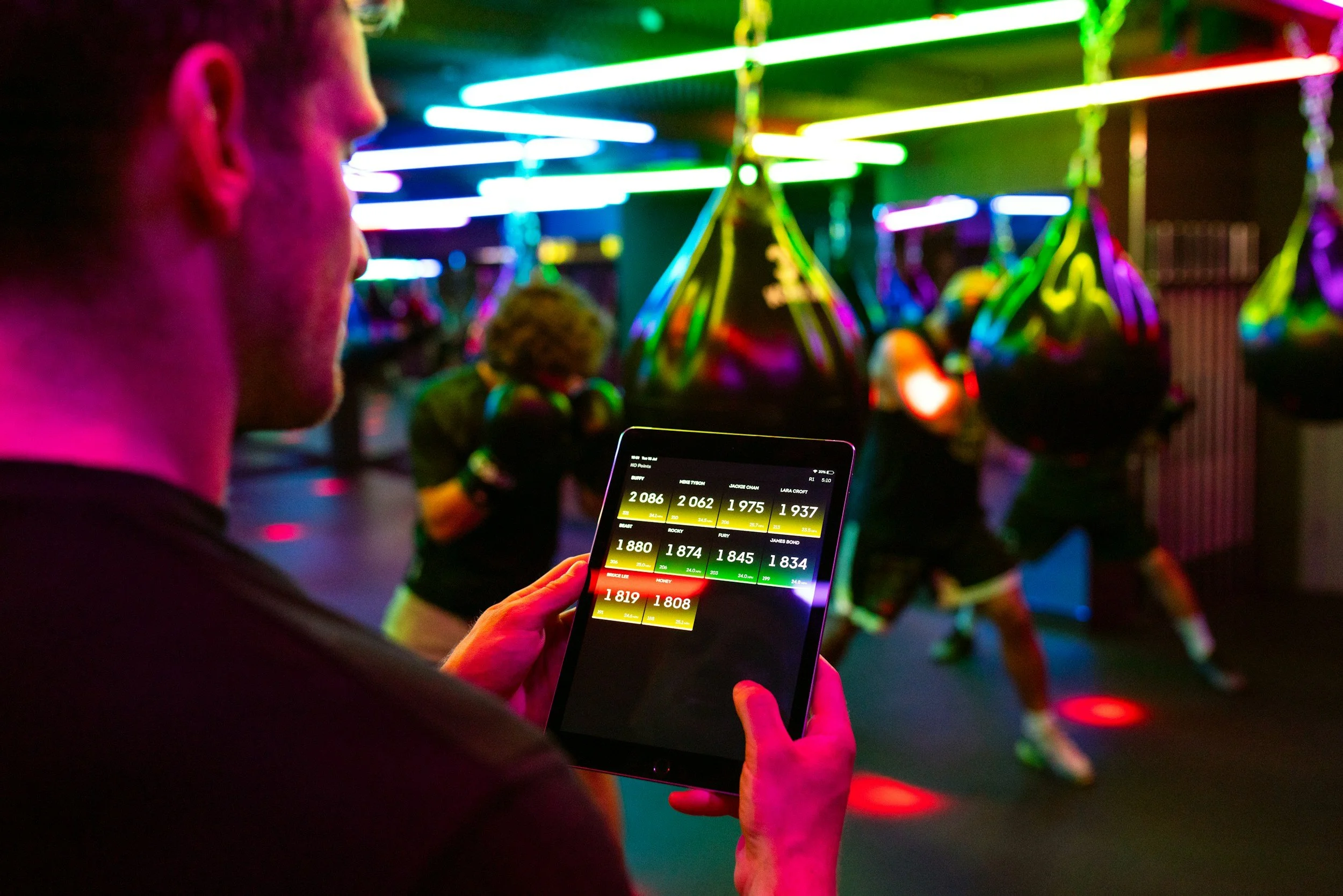
What happens when a Taekwondo practitioner studies physical education pedagogy and educational technology, and then starts asking questions about how digital tools can transform school-based physical activity? You get one of the most productive early-career research agendas in physical education today.
In a recent episode of the podcast, I sat down with Dr. Taemin Ha, assistant professor at Queens College, City University of New York, to talk through his research on technology integration in physical education and school-wide physical activity. Dr. Ha is being honored this summer as an AIESEP Early Career Scholar in Taipei — a well-deserved recognition for someone who has been publishing at a remarkable pace.
Unlocking Educational Potential: How Physical Education Teachers Can Thoughtfully Benefit From Using ChatGPT for Planning, Instruction, and Assessment

Unlocking the full potential of technology in education is a topic that continues to inspire educators today. In the recent article, Unlocking Educational Potential: How Physical Education Teachers Can Thoughtfully Benefit From Using ChatGPT for Planning, Instruction, and Assessment by Albaloul, Marttinen, and Killian (2024), the authors explore how generative artificial intelligence (AI) tools like ChatGPT can enhance teaching practices in physical education (PE). This blog post delves into the key takeaways, highlights the main results, and reflects on the discussion points raised in the article.
Before- and After-School Physical Activity Programs: A Recipe for Success
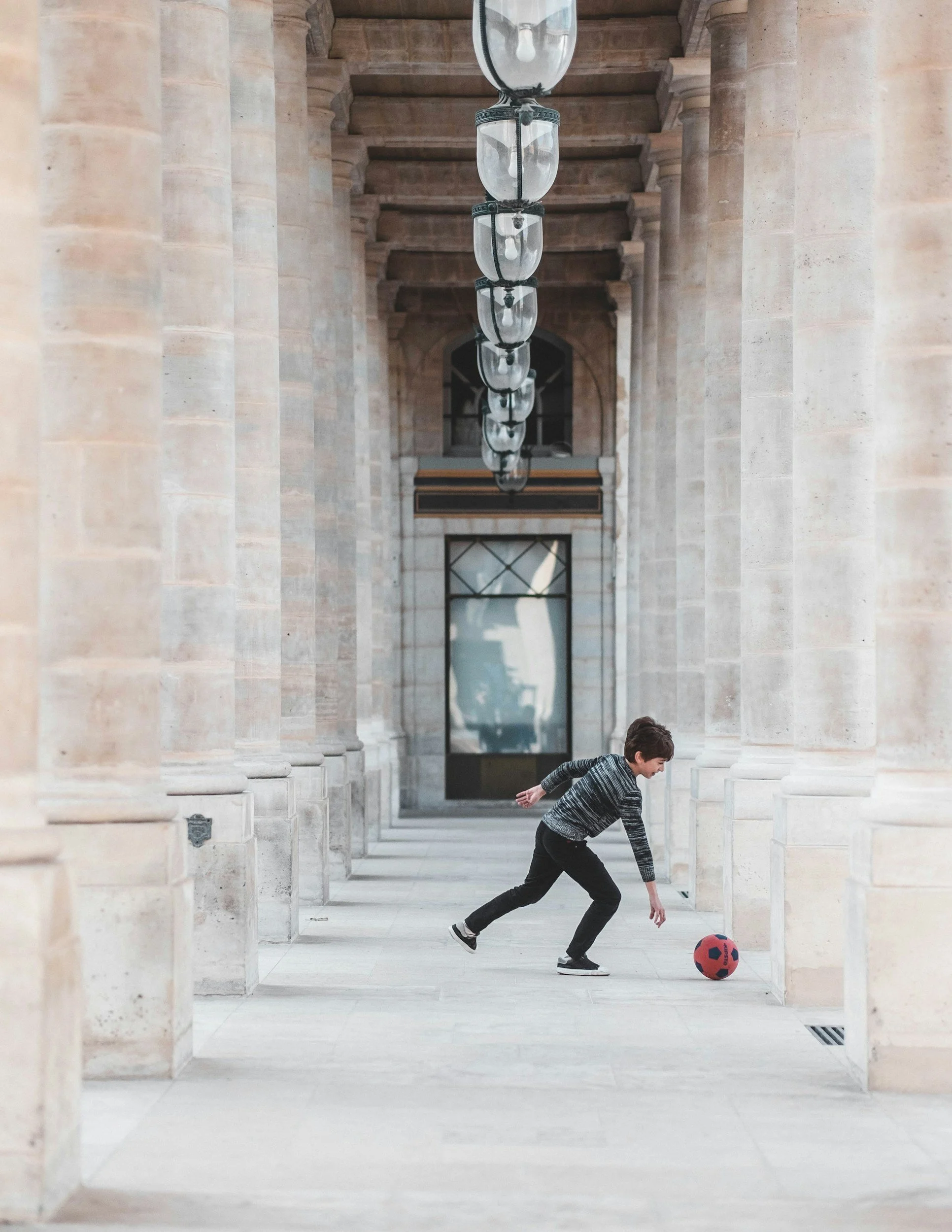
In today’s fast-paced educational environment, finding ways to boost students’ physical activity is more critical than ever. According to the research article “Before- and After-School Physical Activity: Programs and Best Practices” by Dauenhauer et al. (2022) from the Journal of Physical Education, Recreation & Dance, schools can play a transformative role by extending physical activity (PA) opportunities beyond the classroom. The study delves into the benefits and variety of programs available during the before- and after-school hours, offering educators a comprehensive roadmap for developing effective PA initiatives.
What LGBTQ+ Youth Are Telling Us About PE — And Why We Need to Listen

Most research on barriers to physical activity for LGBTQ+ youth has relied on adult recollections or teacher perceptions — filtered, retrospective, and often incomplete. A new mixed-methods study published in Sport Education and Society takes a different approach: it goes directly to the source, asking LGBTQ+ youth people themselves what stands in the way of their participation in physical activity, sport, and PE.