Physical Activity, Screen Time, and Obesity in Latina/o Youth

Physical Activity, Screen Time, and Obesity in Latina/o Youth

What Did the Study Do? 

Using the 2011 national Youth Risk Behavior Surveillance System (YRBSS) dataset (n = 15,503 highschool students), the authors examined how three behaviours—days of moderatetovigorous physical activity (PA), television viewing, and videogame/computer use—along with gender and Latina/o ethnicity, relate to Body Mass Index (BMI) categories. Logistic regression tested both main effects and whether the PA–weight link differed by ethnicity.​​ 

Still Tied Together? Rethinking Academic Service and Professional Associations in Physical Education

Still Tied Together? Rethinking Academic Service and Professional Associations in Physical Education

For many of us in physical education teacher education and sport pedagogy, professional associations have long been part of our academic identity. We joined early, often as doctoral students or early-career scholars, because “that’s what you do.” You present at the conference. You review abstracts. You sit on committees. You renew your membership—sometimes enthusiastically, sometimes out of habit.

R.E.A.C.H.—Building Skills, Character, and Community After the School Bell Rings

R.E.A.C.H.—Building Skills, Character, and Community After the School Bell Rings

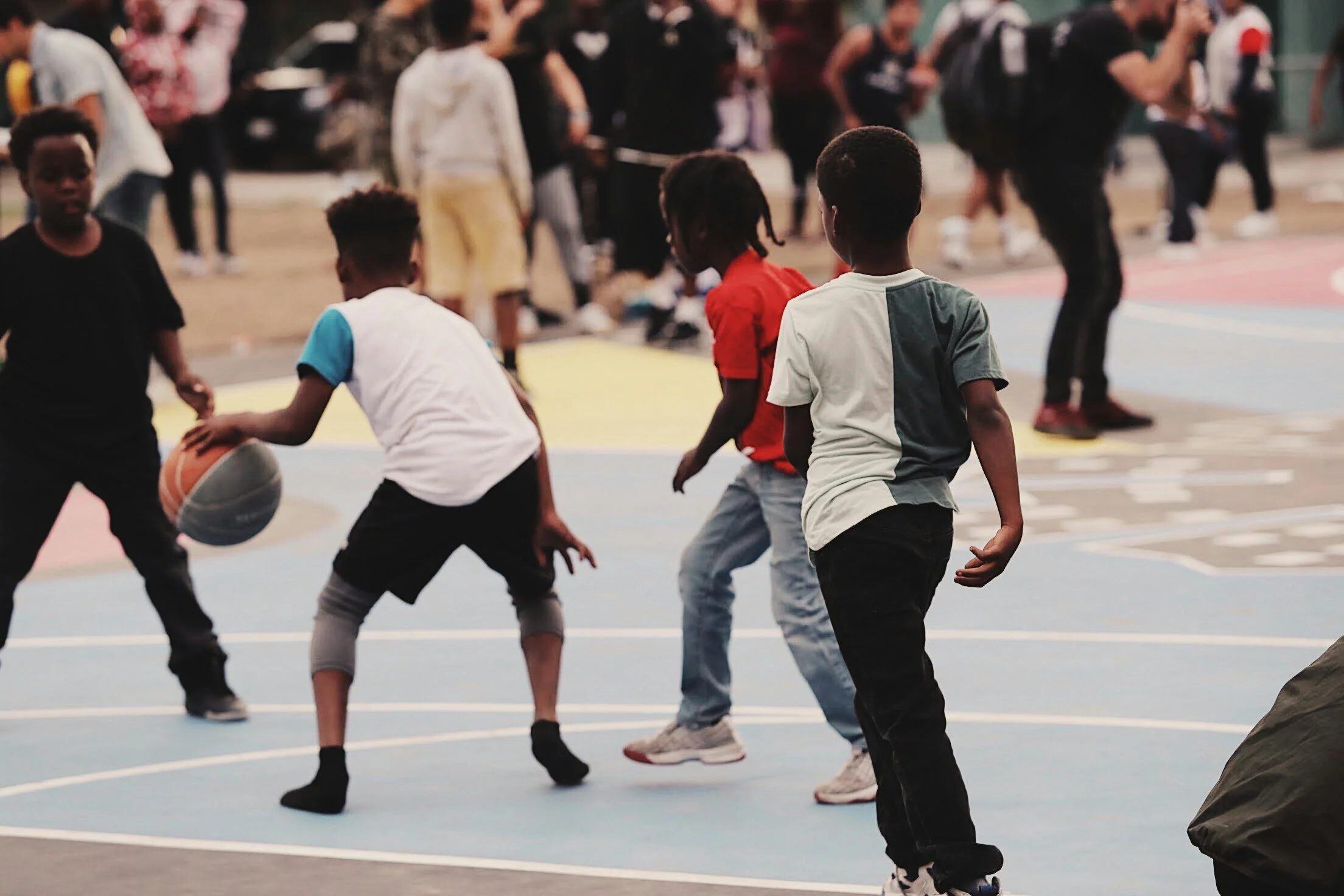
Afterschool hours can be a missed opportunity for many adolescents—especially those in under resourced, urban neighborhoods—to accumulate daily physical activity and positive social experiences. R.E.A.C.H. (Reflective Educational Approach to Character and Health) offers a solution that blends basketball, fitness, literacy, and character education in a single, student-centered program. Below is a concise look at the article’s key findings, its discussion of impact, and major takeaways for practitioners. ​ 

Can You Trust Your BodyFat Scale?

Can You Trust Your BodyFat Scale?

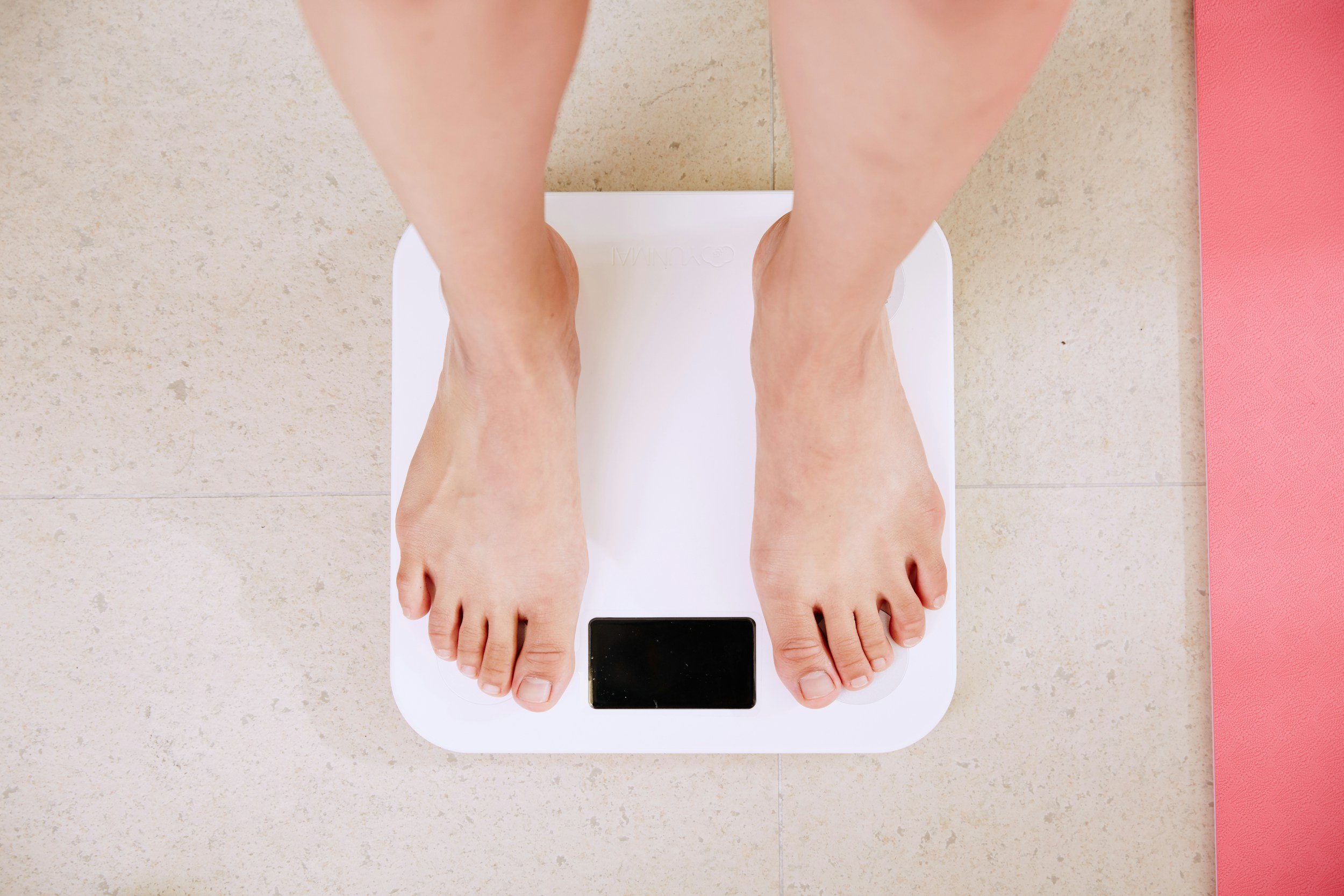
Since 1998, weight-management rules have slashed wrestling-related deaths, but they depend on accurate preseason body composition tests. DXA and hydrostatic weighing are precise yet expensive and immobile. Bioelectrical impedance analysis (BIA) scales are cheap and portable, so 27 U.S. state federations already allow at least one model. This study asked whether four readily available BIAs are trustworthy replacements for the Bod Pod (air displacement plethysmography, ADP) in 14 to 18-year-old wrestlers. ​ 

Crossing the Threshold: What PETE Faculty Can Learn from Peers Stepping Into Academic Leadership

Crossing the Threshold: What PETE Faculty Can Learn from Peers Stepping Into Academic Leadership

In physical education teacher education (PETE), we spend our careers preparing future educators to lead with care, clarity, and purpose. But what happens when we are asked to cross the boundary from teacher educator into academic leader? Many of us hesitate—sometimes for good reason. Leadership brings institutional politics, budget pressures, and uncomfortable conversations that don’t exactly appear in our doctoral training.

Are We Moving Enough? What Six Weeks of Accelerometer Data Tell Us about Middle Schoolers’ Activity Patterns

Are We Moving Enough? What Six Weeks of Accelerometer Data Tell Us about Middle Schoolers’ Activity Patterns

Physical education (PE) has long been championed as a lever for healthier, more active kids—but how much extra movement does PE really buy, and what happens once the weekend rolls around? A six-week study of 221 U.S. middle school students wearing wrist accelerometers offers some clear signals for teachers, parents, and policymakers. Below is a concise look at the findings, followed by a deeper dive into the results and discussion. 

Researchers tested 400 PE teachers on their Health-Related Fitness Knowledge: They got an F

Researchers tested 400 PE teachers on their Health-Related Fitness Knowledge: They got an F

Physical education is more than games and movement—it’s about equipping students with the knowledge and habits for lifelong health. But here’s the hard truth: many in-service PE teachers lack the foundational knowledge to teach health-related fitness effectively. A recent study published in the Journal of Teaching in Physical Education by Jose Santiago and colleagues shines a spotlight on this issue, and the findings should make every PE teacher and teacher educator pause.

Shifting Attitudes in Just Six Weeks: What a Middle‑School Fitness Unit Taught Us About Physical Education

Shifting Attitudes in Just Six Weeks: What a Middle‑School Fitness Unit Taught Us About Physical Education

How quickly can a student’s feelings about physical education (PE) change? In 2018 with some colleagues we set out to answer exactly that by following 221 U.S. middle‑schoolers through a six‑week fitness‑focused unit. Using the validated Student Attitude toward Physical Education (SAtPE) instrument, we captured attitudes at the start and end of the unit, then drilled into the numbers to see what moved—and who was most affected. Our findings offer guidance for PE teachers designing units that keep students engaged and active.   

Those Finns Really Are On to Something: Why the Finnish Model for Leisure Activities Matters

Those Finns Really Are On to Something: Why the Finnish Model for Leisure Activities Matters

In many countries, conversations about children’s well-being tend to focus on what happens inside school walls—curriculum, achievement, test scores, or learning loss. But what about the hours before school starts, after school ends, or the precious time between homework and bedtime? What about the space where culture, creativity, sport, friendship, and identity take shape?

The Contribution of TPSR Scholarship and Practice to Social Justice

The Contribution of TPSR Scholarship and Practice to Social Justice

In a recent episode of the Playing with Research in Health and Physical Education podcast, I had the pleasure of speaking with Dr. Michael Hemphill (UNC Greensboro) and Dr. Paul Wright (Northern Illinois University) about their recent article, “The Contribution of TPSR Scholarship and Practice to Social Justice.” Our discussion revisited the roots of the Teaching Personal and Social Responsibility (TPSR) model while exploring how it continues to evolve in today’s educational landscape.