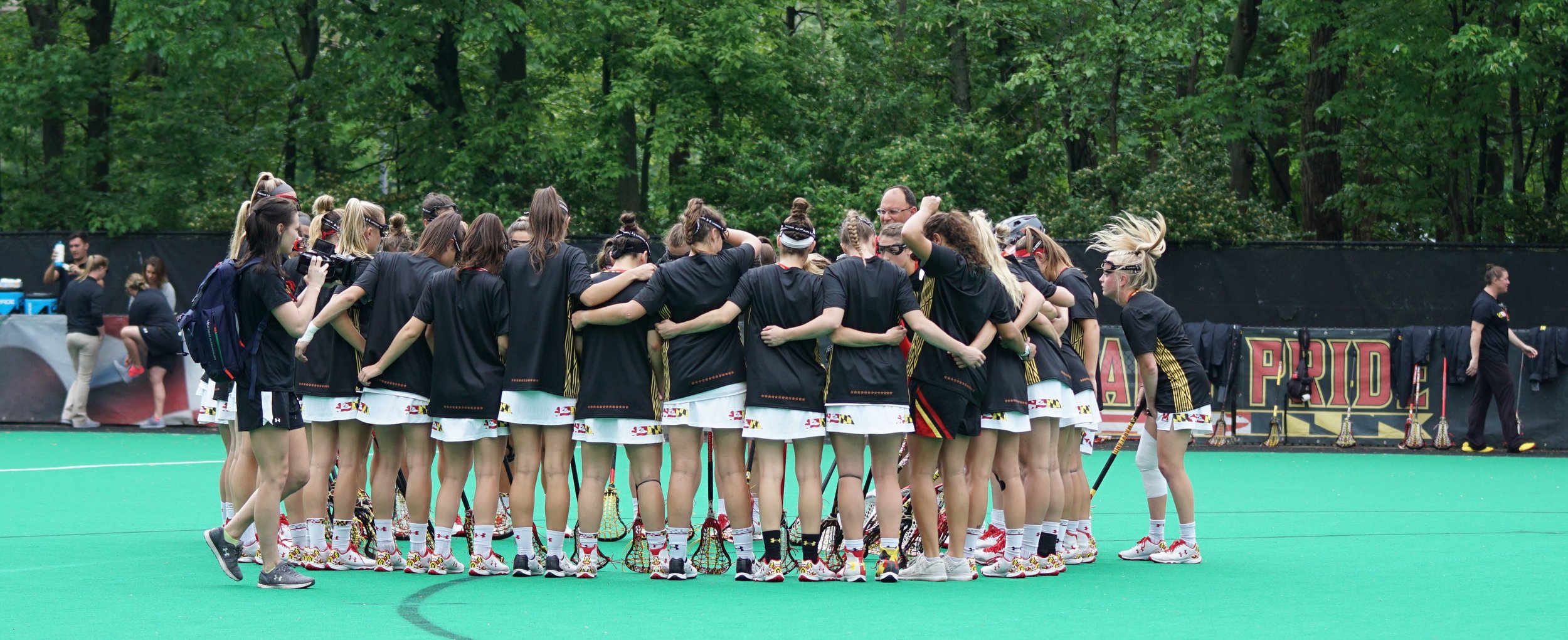
Marginalized students have experienced great barriers to enter the context of physical activity in schools as inequality in education has risen. Girls experience these barriers solely due to their gender. These barriers are discussed in this entry with an overview of the article Stereotypical Views of Beauty and Boys STILL Not Letting Girls Play: A Student-Centered Curriculum for Young Girls Through an After-School Activist Approach through a feminist poststructuralist lens. The research was conducted in the after school GIRL program at Waterfalls Elementary school. Through an activist approach, student voices were heard in curricular decision making and relationships were built throughout the school year in an attempt to create a sense of safety within the classroom.
‘Playing with Research’: Theory Troubles
The Coach–Athlete Relationship in Strength and Conditioning: High Performance Athletes’ Perceptions
A well-structured, scientifically driven program with high performing athletes depend on effective coaching leadership. This entry summarizes the article from Foulds and colleagues (2019) ‘The coach–Athlete relationship in strength and conditioning: High performance athletes’ perceptions’. This article is based on the 3+1 C’s and the perception of high-performance athletes’ of S&C coaches. We bring insights about different pieces of the human performance puzzle that are important for a deeper understanding of effective leadership and coach-athlete relationship
REACH Harlem: young urban boys’ experiences in an after-school PA positive youth development program
Enacting a body-focused curriculum with young girls through an activist approach: Leveraging the after-school space
This entry provides an overview of the after-school curriculum referred to as GIRL (Gaining Insight through Reflexive Learning) through an activist approach (Meza & Marttinen, 2019). Two coaches worked together to develop a safe and supportive environment establishing a trusting relationship with the students. As a result, effective teacher practice through an activist student-centered approach was able to strengthen the relationship between the girls and physical activity bridging towards lifetime physical activity and literacy.
‘Playing with Research’: Writing as Inquiry?
This entry turns to Laurel Richardson’s (2000) notion of writing as a method of inquiry. It builds on my previous entry, in which I played around with poetic transcriptions. For Richardson (2000), poetic representation is one of many creative analytic practices through which to experiment. Here, I play with writing as inquiry to show a small part of the process that produced a ‘final’ publication…
Sept Collaborative Part 2: Relationship Building and Creating a Sense of Belonging
September PETE Collaborative
On September 10th, 2020 we hosted the 7th PETE collaborative. You can listen to it here. This session focused on the conversations around the following four topics:
Development of relationships and sense of program belonging with preservice teachers
Facilitating effective field experiences
Delivering activity and methods courses
Continuous professional learning for PETE faculty members
The blogs that will follow will summarize the resources that were shared during the discussion. It’s important to note that the goal of the collaborative this time was to focus on things that are going well and to share those resources. This blog covers the last two sections of our meeting.
‘Playing with Research’: A Poetic Transcription
This entry focuses on the use of poetic transcription as a creative way to reflect on research, to use ‘member checking’ with follow-up interviews, and to (re-)present research through evocative writing. It shows two different approaches (written and a video). It also expands upon some data that never made it into the ‘final’ publication…